
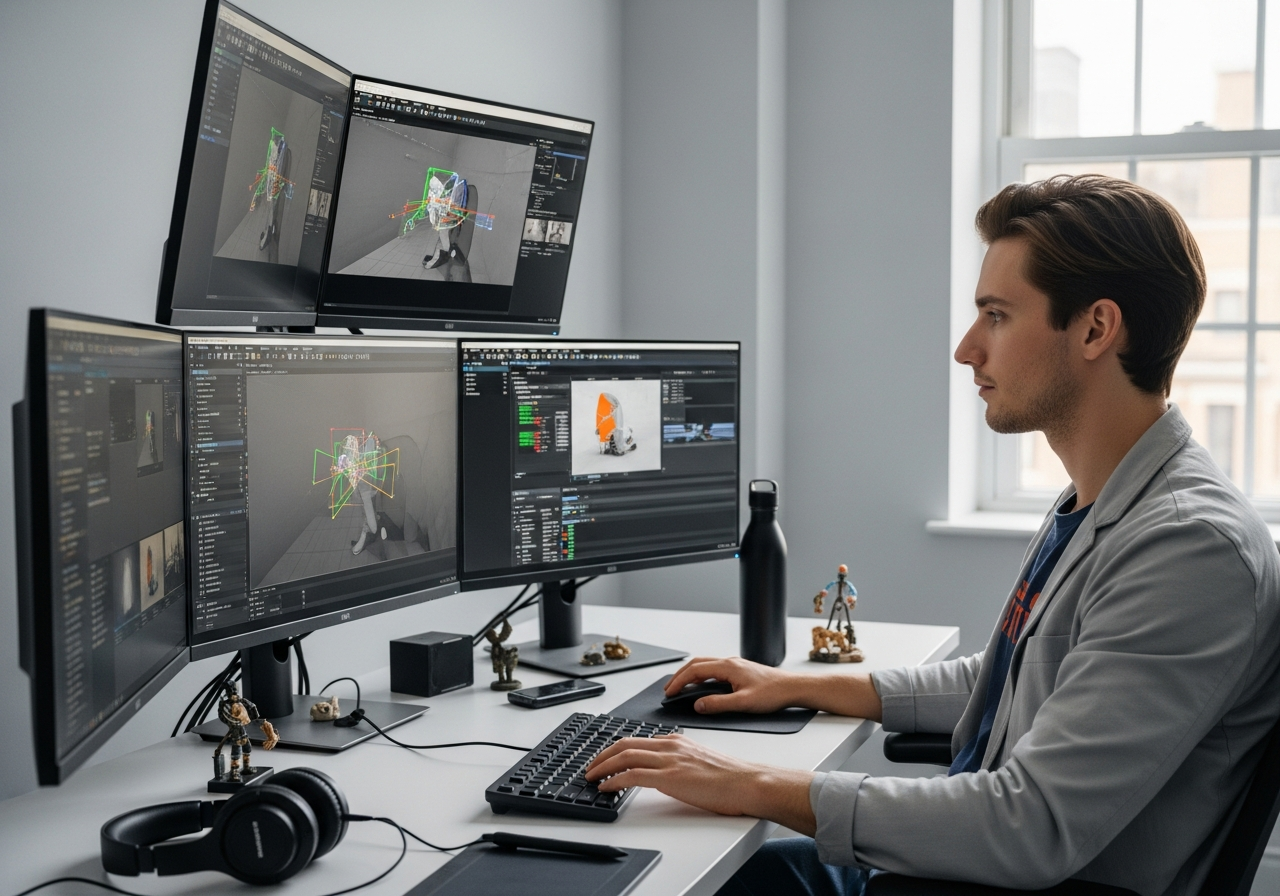
Canada’s VFX industry thrives in major hubs like Vancouver and Montreal, where studios constantly seek talented junior matchmove artists with 0-2 years of experience. These entry-level positions focus heavily on portfolio strength over traditional resume credentials, making your demo reel and technical demonstrations the primary factors in landing your first role.

Understanding Labor Standards for Junior Animation Freelancers
Canada’s animation industry has experienced remarkable growth over the past decade, with provinces like Ontario, British Columbia, and Alberta becoming major hubs for both traditional and digital animation production. This expansion has created numerous opportunities for junior animators entering the freelance market, but it has also introduced unique challenges that distinguish entry-level freelancers from their more experienced counterparts. Unlike established professionals who may have built extensive networks and understanding of industry standards, junior animation freelancers often navigate complex legal frameworks without adequate guidance or protection.

How to Research Studio Project Pipelines Before Applying for Internships
The Canadian animation and VFX industry is experiencing unprecedented growth, with major studios expanding their operations and project pipelines at a remarkable pace. However, this growth has also intensified competition for coveted internship positions, with acceptance rates dropping to as low as 3-5% at top-tier studios like Industrial Light & Magic and Ubisoft. Success in securing these positions increasingly depends on demonstrating deep understanding of specific studio project pipelines rather than submitting generic applications.

Comparing Public Funding vs Private Financing for Game Design Degrees
The choice between public funding and private financing for Canadian game design degrees has become increasingly critical as the educational landscape shifts dramatically. Between 2008 and 2020, public funding for Canadian post-secondary institutions declined from 67% to 54.7%, while student fees surged from 19.6% to 34.1% of total revenue. This transformation directly impacts game design students, who face tuition ranges spanning from $11,360 to $57,750 depending on their chosen institution and funding model.

How Film Schools Teach Location Scouting and Permitting
Location scouting forms the backbone of successful film production, determining how stories translate from script to screen through carefully selected environments. Canadian film schools have recognized this critical need, developing comprehensive programs that train students in both the artistic and logistical aspects of location management. Leading institutions like the Directors Guild of Canada (DGC), Canadian International Orthopaedic Network (CION), Vancouver Film School (VFS), and Toronto Film School have emerged as key providers of specialized location scouting education.